Concrete repair vs. replacement: how to decide
In Marion, many slabs fail for the same reasons: poor base, water issues, and freeze-thaw wear. The key decision is whether the slab is still structurally stable.
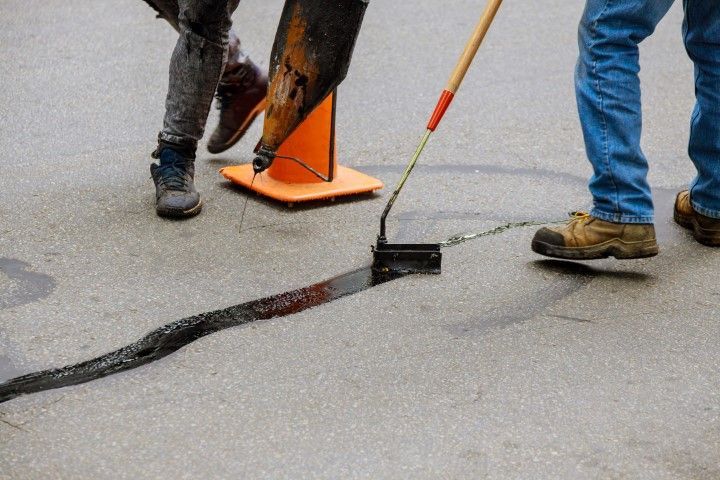
Repair can make sense when
- Cracks are mostly cosmetic and the slab is not moving
- Spalling is localized (edges/surface) without broad settlement
- Drainage is acceptable or can be corrected without re-pouring
- The slab is relatively level and safe for walking/driving
Replacement is usually smarter when
- Sections have dropped, heaved, or are creating trip hazards
- Water consistently runs toward a structure or pools on the slab
- There is widespread scaling/delamination across the surface
- Multiple past patches are failing and the base is compromised
What we check on-site
- Movement: settlement, heave, and edge support
- Drainage patterns and downspout discharge
- Surface condition: scaling, spalling, delamination
- Joint pattern and likely crack causes
If replacement is recommended, we explain why and what will be different the next time (base, reinforcement, joints, slope).
Send photos for a quick opinion
Text wide shots and close-ups, plus a note about whether the slab feels uneven underfoot or has changed over time.